
Air Source Heat Pumps vs. Traditional Boilers: Which Is Right for You?
Compare air source heat pumps with traditional boilers to find the most efficient, cost-effective heating option for your home.

Why you can trust our content
Air source heat pumps can be complex, with lots of conflicting information around efficiency, installation and running costs. That’s why we rely on trusted expertise and proven industry standards to guide every installation.
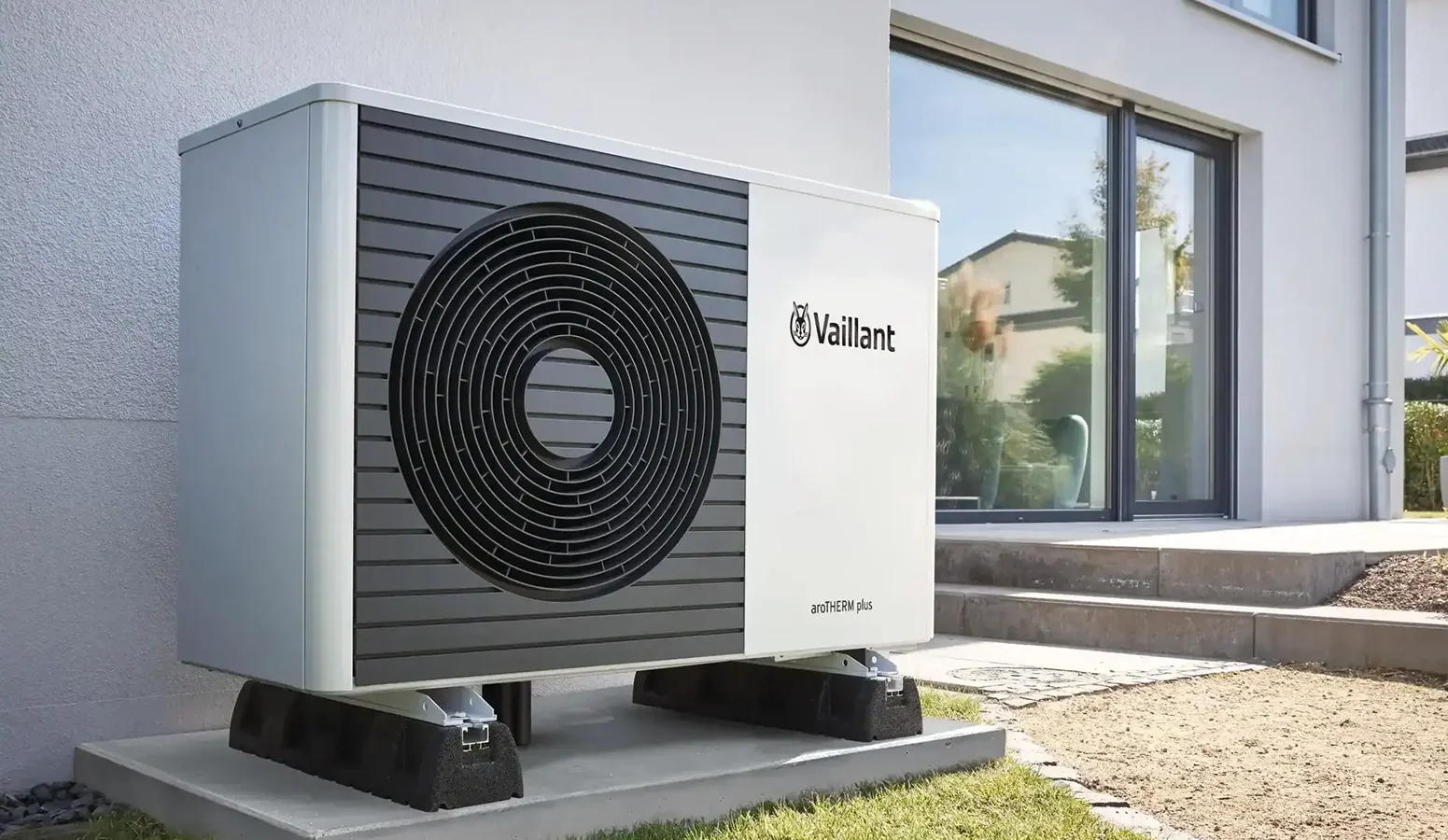
If you’re considering switching to a greener heating solution, you could be looking at alternatives to traditional gas and oil boilers. Air source heat pumps (ASHPs) have gained popularity as an eco-friendly and energy-efficient heating option, but are they the right choice for every home? Let’s compare air source heat pumps with traditional boilers, highlighting the key differences to help you make the best decision for your property and budget.
Understanding the Basics
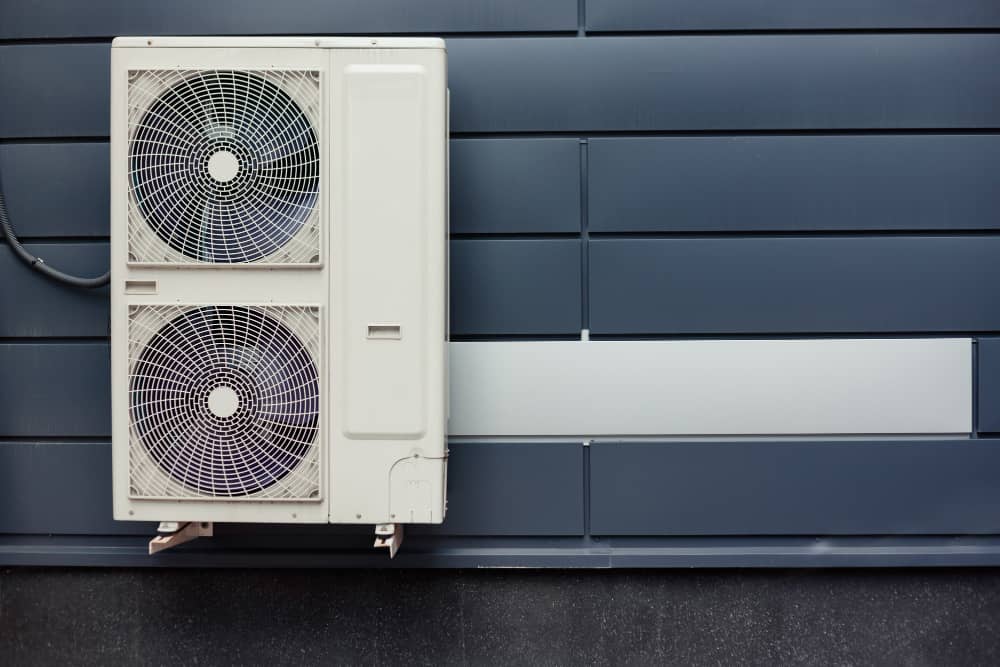
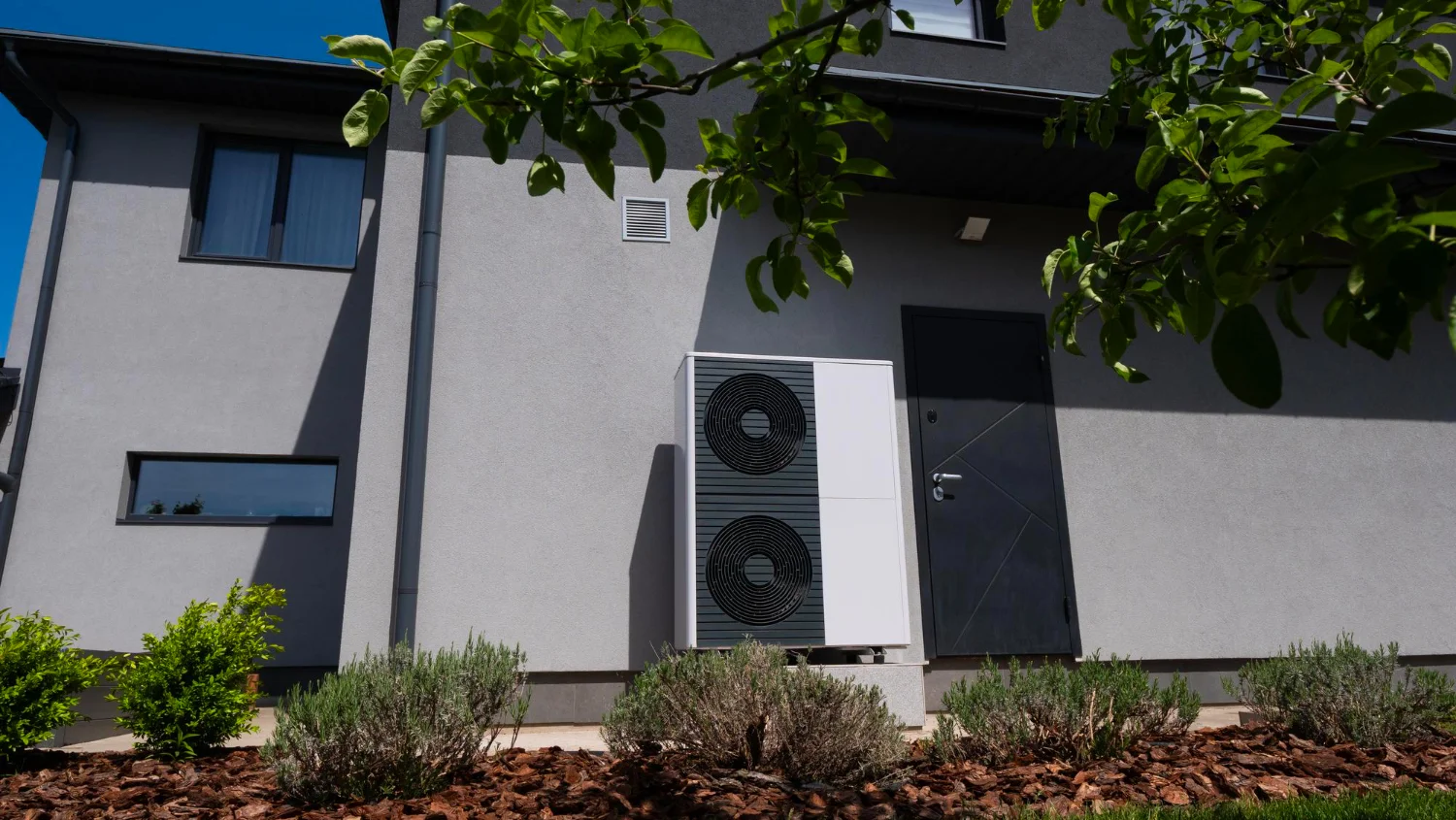
Air source heat pumps use electricity to transfer heat from the outside air into your home. They work by absorbing ambient warmth that naturally occurs in air, even in low temperatures. By transferring rather than generating heat, ASHPs are highly efficient, with many models achieving efficiencies of up to 400%.
Traditional boilers, powered by gas or oil, burn fuel to generate heat. This heat warms up water, which is then circulated through radiators, taps and showers. Boilers are a tried-and-true method for keeping homes warm, particularly in cold climates. They rely on fossil fuels, which are less environmentally friendly, and the wholesale cost has been rising steadily.
Efficiency and Running Costs
With efficiencies of up to 400%, air source heat pumps offer significant energy savings. These systems use less energy to provide the same amount of heat. For an average user, an air source heat pump shaves approximately £450 per year of energy bills.
While modern boilers can be highly efficient (often around 90%), they are still limited by the efficiency of burning fossil fuels. This means that, despite their reliability, boilers usually come with higher long-term fuel costs compared to air source heat pumps, particularly as energy prices continue to rise.
Installation Requirements
Installing an air source heat pump is relatively straightforward but requires outdoor space for the unit. The installation usually involves some adjustments to existing heating systems, especially if switching from high-temperature radiators to low-temperature heating, such as underfloor heating. Professional installation is essential to maximise efficiency.
Traditional boiler installations are generally faster and simpler, particularly if replacing an existing boiler. They don’t require outdoor space and are compatible with most existing radiators and pipes. This can make them more convenient for those who want a quick and familiar heating solution.
Environmental Impact
As they rely on renewable energy and don’t burn fossil fuels, ASHPs have a much smaller carbon footprint than traditional boilers. For homeowners committed to reducing their carbon emissions, an air source heat pump offers an environmentally friendly way to heat the home.
Even high-efficiency boilers release carbon emissions, as they rely on fossil fuels to operate. While they remain a popular option, they contribute to greenhouse gas emissions and rely on finite natural resources, making them less sustainable in the long term.
Suitability for Older Properties
It is fair to say that air source heat pumps work best in well-insulated homes, where they can provide consistent and efficient heating. They’re also ideal for homes with space for underfloor heating or larger radiators that work well with lower-temperature systems. For older homes with lower insulation levels, some upgrades may be required to achieve optimal performance.
Traditional boilers are suitable for almost any age of property and are often a better choice for older homes with limited insulation or high heating demands. Their high-temperature output allows them to heat even draughtier spaces quickly and efficiently, which can be beneficial in larger properties.
Upfront Cost and Maintenance
Air source heat pumps have higher upfront costs compared to traditional boilers, but there are often government grants and incentives available to help cover installation expenses. They generally require less maintenance over time, and regular checks by a professional installer can keep them running efficiently for 20 years.
Traditional boilers usually have lower upfront costs. Annual servicing is recommended to ensure safe and efficient operation, and typical lifespan ranges from 12-15 years.
Which is Right for You?
When deciding between an air source heat pump and a traditional boiler, consider your property type, insulation levels, budget and environmental goals.
Ultimately, both systems have their unique advantages. Speaking with a professional heating specialist can help you make an informed choice. Whether you opt for a heat pump or a boiler, upgrading your heating system is a great step toward energy efficiency and comfort. The team here at Nicholson Heating Services install both types of heating systems, and can offer you personalised advice. Don’t hesitate to call about fitting an air source heat pump in Cramlington, Newcastle, Gosforth, Alnwick or Ponteland – we are here to help.
Related articles
Which option best describes your home?
If you’re considering switching to a greener heating solution, you could be looking at alternatives to traditional gas and oil boilers. Air source heat pumps (ASHPs) have gained popularity as an eco-friendly and energy-efficient heating option, but are they the right choice for every home? Let’s compare air source heat pumps with traditional boilers, highlighting the key differences to help you make the best decision for your property and budget.
Understanding the Basics
Air source heat pumps use electricity to transfer heat from the outside air into your home. They work by absorbing ambient warmth that naturally occurs in air, even in low temperatures. By transferring rather than generating heat, ASHPs are highly efficient, with many models achieving efficiencies of up to 400%.
Traditional boilers, powered by gas or oil, burn fuel to generate heat. This heat warms up water, which is then circulated through radiators, taps and showers. Boilers are a tried-and-true method for keeping homes warm, particularly in cold climates. They rely on fossil fuels, which are less environmentally friendly, and the wholesale cost has been rising steadily.
Efficiency and Running Costs
With efficiencies of up to 400%, air source heat pumps offer significant energy savings. These systems use less energy to provide the same amount of heat. For an average user, an air source heat pump shaves approximately £450 per year of energy bills.
While modern boilers can be highly efficient (often around 90%), they are still limited by the efficiency of burning fossil fuels. This means that, despite their reliability, boilers usually come with higher long-term fuel costs compared to air source heat pumps, particularly as energy prices continue to rise.
Installation Requirements
Installing an air source heat pump is relatively straightforward but requires outdoor space for the unit. The installation usually involves some adjustments to existing heating systems, especially if switching from high-temperature radiators to low-temperature heating, such as underfloor heating. Professional installation is essential to maximise efficiency.
Traditional boiler installations are generally faster and simpler, particularly if replacing an existing boiler. They don’t require outdoor space and are compatible with most existing radiators and pipes. This can make them more convenient for those who want a quick and familiar heating solution.
Environmental Impact
As they rely on renewable energy and don’t burn fossil fuels, ASHPs have a much smaller carbon footprint than traditional boilers. For homeowners committed to reducing their carbon emissions, an air source heat pump offers an environmentally friendly way to heat the home.
Even high-efficiency boilers release carbon emissions, as they rely on fossil fuels to operate. While they remain a popular option, they contribute to greenhouse gas emissions and rely on finite natural resources, making them less sustainable in the long term.
Suitability for Older Properties
It is fair to say that air source heat pumps work best in well-insulated homes, where they can provide consistent and efficient heating. They’re also ideal for homes with space for underfloor heating or larger radiators that work well with lower-temperature systems. For older homes with lower insulation levels, some upgrades may be required to achieve optimal performance.
Traditional boilers are suitable for almost any age of property and are often a better choice for older homes with limited insulation or high heating demands. Their high-temperature output allows them to heat even draughtier spaces quickly and efficiently, which can be beneficial in larger properties.
Upfront Cost and Maintenance
Air source heat pumps have higher upfront costs compared to traditional boilers, but there are often government grants and incentives available to help cover installation expenses. They generally require less maintenance over time, and regular checks by a professional installer can keep them running efficiently for 20 years.
Traditional boilers usually have lower upfront costs. Annual servicing is recommended to ensure safe and efficient operation, and typical lifespan ranges from 12-15 years.
Which is Right for You?
When deciding between an air source heat pump and a traditional boiler, consider your property type, insulation levels, budget and environmental goals.
Ultimately, both systems have their unique advantages. Speaking with a professional heating specialist can help you make an informed choice. Whether you opt for a heat pump or a boiler, upgrading your heating system is a great step toward energy efficiency and comfort. The team here at Nicholson Heating Services install both types of heating systems, and can offer you personalised advice. Don’t hesitate to call about fitting an air source heat pump in Cramlington, Newcastle, Gosforth, Alnwick or Ponteland – we are here to help.