
Common Misunderstandings About Air Source Heat Pumps
Clear up the most common myths about air source heat pumps so you can make informed decisions about your home’s heating.

Why you can trust our content
Air source heat pumps can be complex, with lots of conflicting information around efficiency, installation and running costs. That’s why we rely on trusted expertise and proven industry standards to guide every installation.
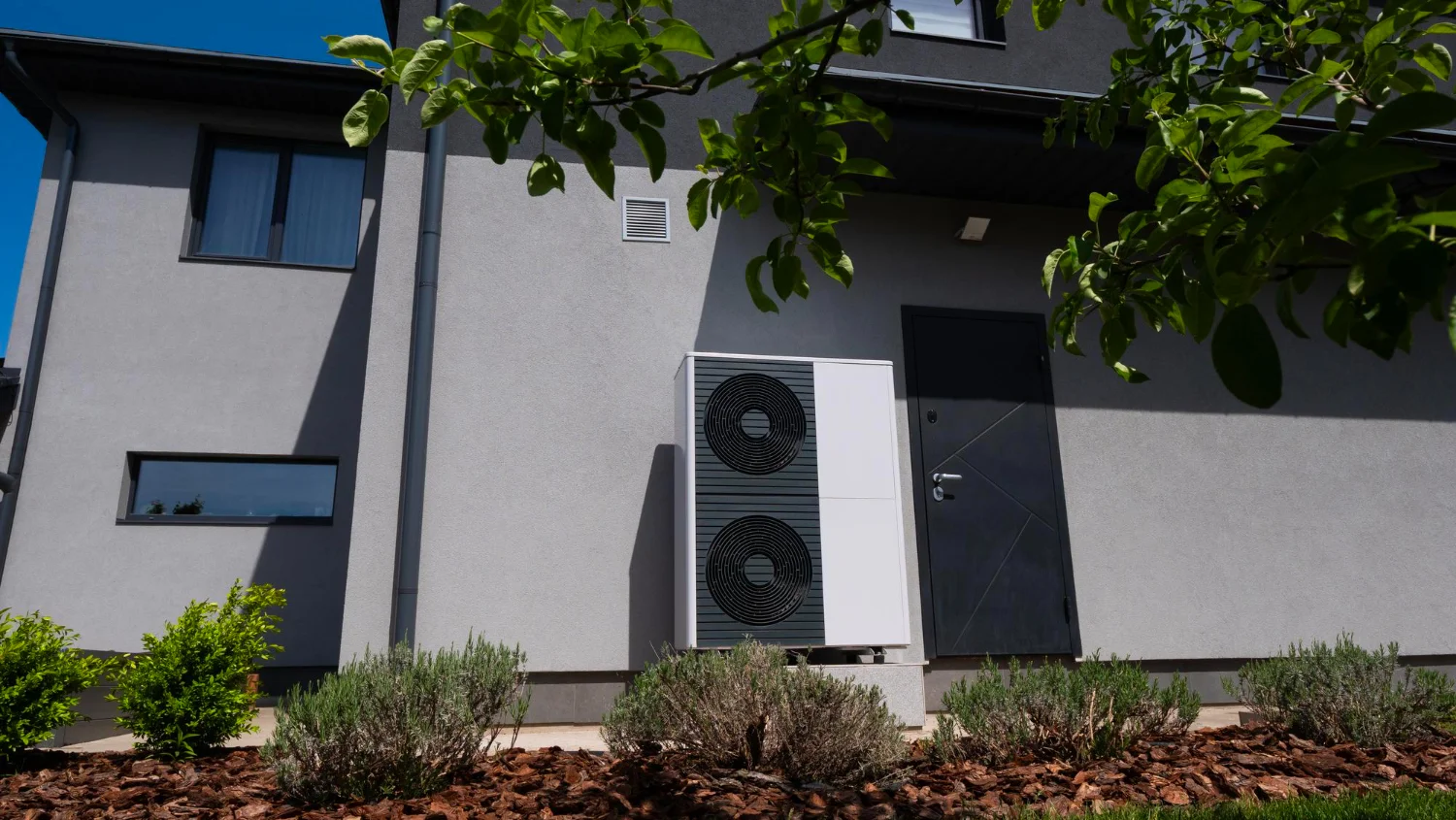
Air source heat pumps (ASHPs) are gaining popularity across the North of England. They are being installed as a clean, efficient way to heat homes and businesses. However, as with any new technology, myths and misunderstanding start to circulate leaving people unsure about available products and what they can do. Let’s tackle some of the most common myths surrounding air source heat pumps to set the record straight.
Myth 1: Air Source Heat Pumps Don’t Work in the North East
One of the most widespread myths about air source heat pumps is that they are not effective in cold weather. While it’s true that ASHPs extract heat from outdoor air, modern pumps are designed to operate efficiently even when temperatures drop below freezing. In fact, air source heat pumps have been installed successfully in many colder countries, including parts of Scandinavia and Canada, proving that they can handle the demands of winter in Northumberland and Tyne & Wear..
Myth 2: They Are Only Useful for New-Build Homes
Another misconception is that air source heat pumps are only suitable for brand new homes. While ASHPs are a great addition to modern, well-insulated properties, they can also be successfully installed in older buildings. In some cases, minor insulation upgrades may be recommended to enhance efficiency, but with the right planning, an air source heat pump can provide cost-effective heating to a variety of building types.
Myth 3: Air Source Heat Pumps Are Noisy
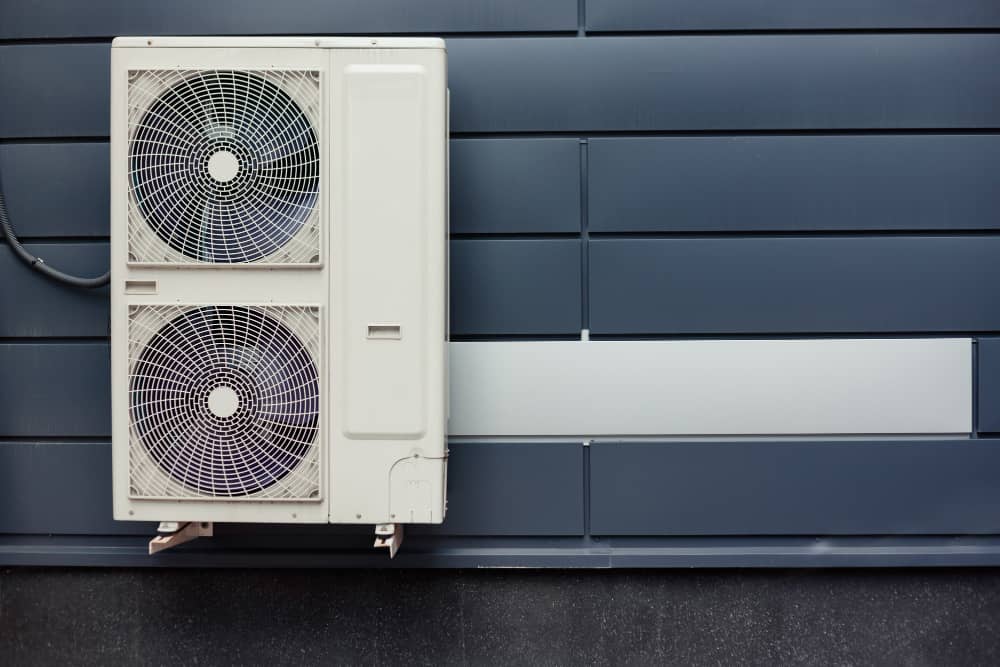
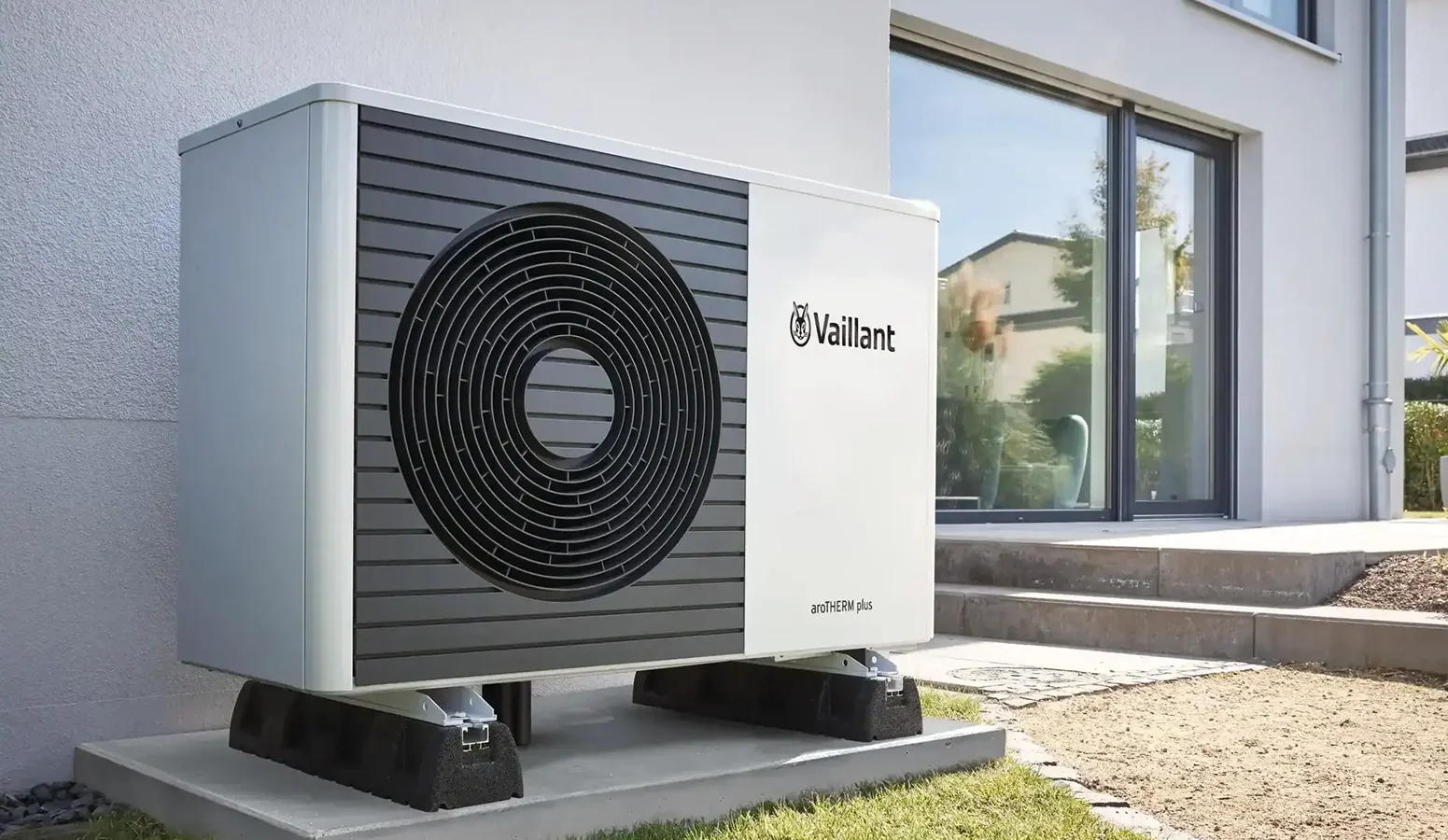
If you’re worried that installing an air source heat pump will lead to constant background noise, put your mind at ease. The latest heat pumps have been designed with noise reduction technology. Most pumps produce a level of sound that is comparable to a refrigerator, and units are quiet enough to be installed discreetly without disturbing the homeowner or surrounding neighbourhood.
Myth 4: Air Source Heat Pumps Are Too Expensive to Run
The idea that air source heat pumps are expensive to run is a common concern. While it’s true that installing a heat pump has upfront costs, the long-term energy efficiency they offer can lead to significant savings on energy bills. By transferring rather than generating heat, ASHPs can achieve efficiencies of up to 400%, meaning they use far less energy than conventional heating systems. Over time, the reduction in energy bills offsets the initial cost, making ASHPs an economical choice in the long run. And with Government grants available to help with the cost of installation, heat pumps are home investments well worth making.
Myth 5: They Don’t Provide Enough Heating for the Whole House
There’s a belief that air source heat pumps can’t adequately heat an entire family home, especially during the winter months. However, with the correct system size and set up, an ASHP can heat an average property comfortably.
Myth 6: Installation is Disruptive
While installing an air source heat pump does require some adjustments, the process is usually straightforward and completed within a few days. Compared to other heating systems, fitting an air source heat pump is often less invasive, as it doesn’t involve extensive changes to your existing infrastructure. Working with an experienced installer ensures the process is efficient and minimally disruptive.
Myth 7: ASHPs Don’t Work with Radiators
It is often assumed that air source heat pumps only work with underfloor heating systems. While underfloor heating can be a great match for an ASHP, the pumps can also be used with radiators, provided they’re the right size for the lower temperatures produced by the pump. In many cases, your current radiators may still work, or they may need minor adjustments to achieve the best efficiency with the heat pump.
Myth 8: Heat Pumps Don’t Last Long
You may have heard that ASHPs aren’t durable, but that simply is not true! On average, a gas boiler lasts 12 to 15 years, whereas a properly-maintained air source heat pump should work well for 20 years or more.
To Sum Things Up
Air source heat pumps are a reliable, efficient and environmentally friendly way to heat a home. Don’t let myths deter you from considering this renewable heating solution. By speaking with us – your local experienced installer – you can learn more about how an ASHP can benefit your home. Learn the facts about fitting a heat pump in Cramlington, Newcastle, Alnwick, Gosforth, Ponteland and the surrounding areas, and enjoy the savings and sustainability they provide.
Related articles
Which option best describes your home?
Air source heat pumps (ASHPs) are gaining popularity across the North of England. They are being installed as a clean, efficient way to heat homes and businesses. However, as with any new technology, myths and misunderstanding start to circulate leaving people unsure about available products and what they can do. Let’s tackle some of the most common myths surrounding air source heat pumps to set the record straight.
Myth 1: Air Source Heat Pumps Don’t Work in the North East
One of the most widespread myths about air source heat pumps is that they are not effective in cold weather. While it’s true that ASHPs extract heat from outdoor air, modern pumps are designed to operate efficiently even when temperatures drop below freezing. In fact, air source heat pumps have been installed successfully in many colder countries, including parts of Scandinavia and Canada, proving that they can handle the demands of winter in Northumberland and Tyne & Wear..
Myth 2: They Are Only Useful for New-Build Homes
Another misconception is that air source heat pumps are only suitable for brand new homes. While ASHPs are a great addition to modern, well-insulated properties, they can also be successfully installed in older buildings. In some cases, minor insulation upgrades may be recommended to enhance efficiency, but with the right planning, an air source heat pump can provide cost-effective heating to a variety of building types.
Myth 3: Air Source Heat Pumps Are Noisy
If you’re worried that installing an air source heat pump will lead to constant background noise, put your mind at ease. The latest heat pumps have been designed with noise reduction technology. Most pumps produce a level of sound that is comparable to a refrigerator, and units are quiet enough to be installed discreetly without disturbing the homeowner or surrounding neighbourhood.
Myth 4: Air Source Heat Pumps Are Too Expensive to Run
The idea that air source heat pumps are expensive to run is a common concern. While it’s true that installing a heat pump has upfront costs, the long-term energy efficiency they offer can lead to significant savings on energy bills. By transferring rather than generating heat, ASHPs can achieve efficiencies of up to 400%, meaning they use far less energy than conventional heating systems. Over time, the reduction in energy bills offsets the initial cost, making ASHPs an economical choice in the long run. And with Government grants available to help with the cost of installation, heat pumps are home investments well worth making.
Myth 5: They Don’t Provide Enough Heating for the Whole House
There’s a belief that air source heat pumps can’t adequately heat an entire family home, especially during the winter months. However, with the correct system size and set up, an ASHP can heat an average property comfortably.
Myth 6: Installation is Disruptive
While installing an air source heat pump does require some adjustments, the process is usually straightforward and completed within a few days. Compared to other heating systems, fitting an air source heat pump is often less invasive, as it doesn’t involve extensive changes to your existing infrastructure. Working with an experienced installer ensures the process is efficient and minimally disruptive.
Myth 7: ASHPs Don’t Work with Radiators
It is often assumed that air source heat pumps only work with underfloor heating systems. While underfloor heating can be a great match for an ASHP, the pumps can also be used with radiators, provided they’re the right size for the lower temperatures produced by the pump. In many cases, your current radiators may still work, or they may need minor adjustments to achieve the best efficiency with the heat pump.
Myth 8: Heat Pumps Don’t Last Long
You may have heard that ASHPs aren’t durable, but that simply is not true! On average, a gas boiler lasts 12 to 15 years, whereas a properly-maintained air source heat pump should work well for 20 years or more.
To Sum Things Up
Air source heat pumps are a reliable, efficient and environmentally friendly way to heat a home. Don’t let myths deter you from considering this renewable heating solution. By speaking with us – your local experienced installer – you can learn more about how an ASHP can benefit your home. Learn the facts about fitting a heat pump in Cramlington, Newcastle, Alnwick, Gosforth, Ponteland and the surrounding areas, and enjoy the savings and sustainability they provide.