
Hot Water With an ASHP: What Changes During Showers, Mornings and Busy Household Routines?
Understand how an air source heat pump provides hot water and what to expect during showers, busy mornings and everyday household routines.

Why you can trust our content
Air source heat pumps can be complex, with lots of conflicting information around efficiency, installation and running costs. That’s why we rely on trusted expertise and proven industry standards to guide every installation.

At a glance
A busy morning can put considerable pressure on a home’s hot water supply. One person wants a shower before work, another needs to wash their hair, and someone else is waiting to use the kitchen sink. When several people need hot water within a short period, the heating system has to meet that demand without leaving the household waiting.
An air source heat pump (ASHP) can provide hot water for everyday activities, but the experience may differ from using a conventional gas or oil boiler. Many heat pump systems store domestic hot water in a cylinder and reheat it according to the household’s needs. The cylinder’s capacity, recovery time, temperature settings and daily routine all influence how reliably hot water is available.
Understanding these differences helps Newcastle homeowners plan their hot water use and choose a system suited to their household. It also explains why the right design matters just as much as the heat pump itself.
How Does an Air Source Heat Pump Provide Hot Water?
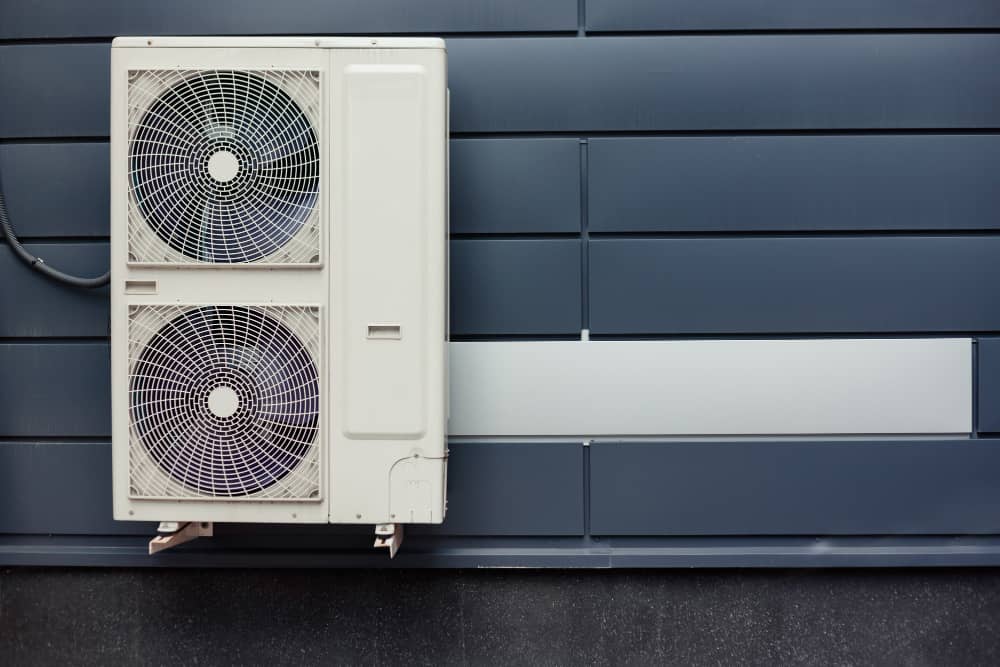
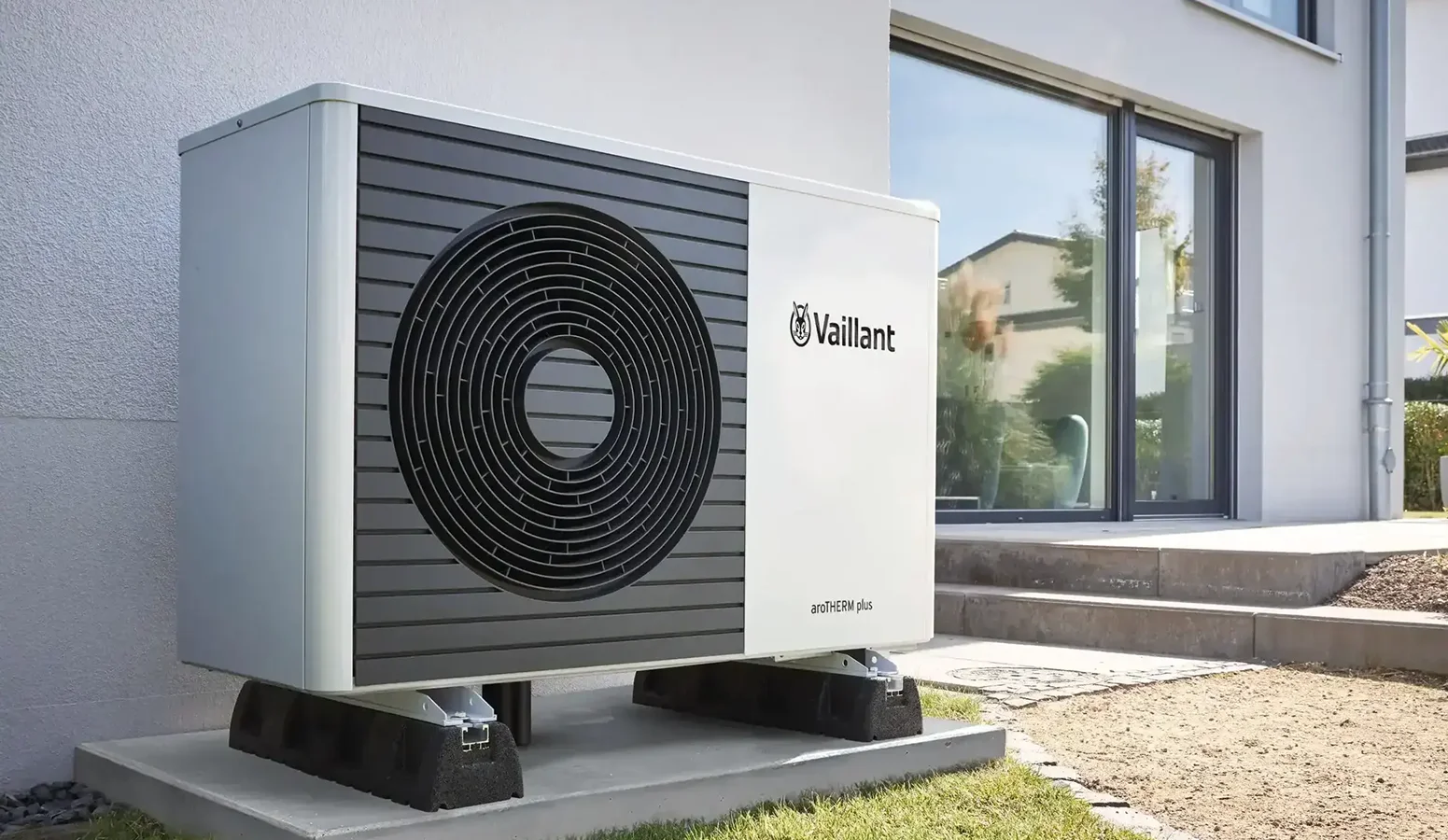
An air source heat pump extracts heat from the outdoor air and uses it to heat water for the home. For domestic hot water, many systems transfer this heat to a dedicated storage cylinder, where hot water remains available until taps, showers or baths are used.
Unlike many conventional combi boilers, which heat mains water as it flows through the appliance, a typical heat pump system relies on stored hot water. This means the amount available at any moment depends partly on how much the cylinder holds and how quickly the system can reheat it.
A suitable design considers:
- The number of people living in the property.
- The number and type of bathrooms.
- How frequently showers and baths are used.
- Whether several people need hot water at the same time.
- The available space for a cylinder.
- The time required to reheat the stored water.
For households exploring an air source heat pump fitter Newcastle upon Tyne service, these practical requirements should be discussed before equipment is selected. A system that suits a couple with one bathroom may not provide the same experience for a family with several bathrooms and overlapping morning routines.
What Happens When Everyone Needs a Shower in the Morning?
Morning routines can reveal whether a hot water cylinder is appropriately sized for a household.
When someone takes a shower, hot water leaves the cylinder and is replaced by incoming cold water. As hot water is used, the stored supply gradually decreases. The system then needs time to restore the cylinder’s temperature, although some heat pumps can begin reheating while hot water remains available.
The experience depends on several factors:
- Cylinder capacity: A larger usable hot water store can support greater demand, provided the system is designed correctly.
- Shower flow rate: A high-flow shower generally uses more water than a lower-flow shower over the same period.
- Shower duration: Longer showers consume more hot water.
- Incoming water temperature: Colder incoming water can increase the energy required to produce hot water at the desired temperature.
- Recovery time: The heat pump’s output and control settings influence how quickly the cylinder reheats.
Consider a household where three people shower consecutively before leaving for work. If each shower lasts longer than expected, the final person may notice a reduction in available hot water. That does not automatically indicate a fault. It may mean the household’s demand is greater than the usable stored supply.
If your household has busy morning routines, contact Nicholson Heating Services LTD to discuss how hot water demand should influence your heating system design.
Does an ASHP Hot Water Cylinder Need to Be Larger?
Not every household needs a large cylinder, but the storage capacity must match realistic usage.
A cylinder that is too small may run short during periods of heavy demand. An unnecessarily large cylinder, meanwhile, can take up valuable space and may increase standing heat losses. The aim is to find a suitable balance between capacity, reheating performance and the household’s routine.
The following table illustrates the main considerations.
| Household situation | What to consider | Why it matters |
| One or two occupants | Typical shower use and daily demand | A smaller cylinder may be sufficient |
| Family with several occupants | Consecutive showers and overlapping routines | Greater storage capacity may be appropriate |
| Property with multiple bathrooms | Simultaneous showers and baths | Peak demand can be considerably higher |
| Household with irregular schedules | Timing of hot water use | Flexible heating schedules may help |
| Home with limited utility space | Cylinder dimensions and installation access | Equipment must fit safely and practically |
These are general examples, not fixed cylinder-sizing recommendations. The correct capacity depends on the actual hot water demand, the usable stored volume, the temperature of stored water and the system’s ability to recover.
A renewable heating installer Newcastle upon Tyne homeowners consult should assess these details rather than recommending a cylinder based on the number of bedrooms alone.
How Can You Plan Hot Water Around Your Daily Routine?
A well-planned heating schedule can make hot water more convenient without unnecessarily reheating the cylinder throughout the day.
Start by identifying when your household normally uses the most hot water. Some homes have a predictable morning peak, while others need substantial hot water in the evening for showers, baths, washing or cleaning.
Useful habits include:
- Set a suitable heating schedule: Arrange hot water production around periods of expected demand, allowing sufficient time for reheating.
- Avoid excessive hot water use during peak periods: Where practical, staggering showers can help reduce the chance of exhausting the stored supply.
- Use the controls as intended: Follow the manufacturer’s guidance for hot water temperatures and scheduling.
- Review settings after routine changes: A change in work patterns, school schedules or household occupancy may justify adjusting the programme.
- Monitor recurring shortages: If the cylinder regularly runs out, ask an installer to assess capacity and recovery rather than continually changing settings.
Heat pumps often benefit from planned operation because producing domestic hot water generally requires higher temperatures than providing space heating. The system may therefore operate differently during a cylinder reheating cycle.
However, the best schedule depends on the equipment and household. A programme that works well in one property may be unsuitable for another.
Why Does Hot Water Reheating Take Time?
Heat pumps typically produce heat differently from conventional boilers, and heating stored water can take longer than homeowners accustomed to a powerful combi boiler expect.
The time required depends on the heat pump’s available output, the cylinder’s size, the starting water temperature and the control strategy. Colder weather may also affect overall performance, although the precise effect varies between systems.
If the cylinder has been heavily used, the heat pump may need a period to restore the stored water to its target temperature. During this time, the household may need to wait before using a similar quantity of hot water again.
This is why system design should account for both storage and recovery. Simply installing a larger cylinder will not necessarily solve every problem if the heat pump cannot reheat it at a suitable rate.
If you are considering an air source heat pump fitter Newcastle upon Tyne service, ask how the proposed system is expected to handle your busiest periods, not just average daily consumption.
Are Hot Water Temperature Settings Important?
Yes. Hot water temperature settings affect comfort, energy consumption and hygiene.
The system should follow the manufacturer’s instructions and applicable guidance for safe domestic hot water storage. In particular, stored hot water must be managed to control the risk of Legionella bacteria, while measures may also be needed to reduce the risk of scalding at taps and showers.
Depending on the system, this may involve a scheduled higher-temperature cycle or an integrated pasteurisation function. The exact arrangement varies by equipment and installation.
Homeowners should:
- Avoid changing safety-related settings without appropriate guidance.
- Follow the manufacturer’s recommended hot water programme.
- Ensure any required high-temperature cycle is operating correctly.
- Use suitable thermostatic mixing valves where needed to reduce scalding risk.
- Ask a qualified professional to investigate recurring temperature problems.
A lower hot water setting should not be chosen solely to reduce energy use without considering the cylinder design and hygiene requirements.
If you are unsure whether your hot water settings are appropriate, speak to Nicholson Heating Services LTD for advice based on your equipment and household requirements.
What If the Hot Water Runs Out Too Quickly?
Running out of hot water occasionally during unusually heavy use is different from experiencing persistent shortages during normal daily routines.
If the problem occurs regularly, record when it happens and how much hot water has been used beforehand. This can help distinguish between a capacity issue and a potential system fault.
Possible causes include:
- A cylinder that is undersized for the household’s demand.
- A heating schedule that starts reheating too late.
- Unexpectedly high shower flow rates.
- Incorrect control settings or a failed temperature sensor.
- A heat pump or cylinder component that is not operating correctly.
Do not assume that increasing the target temperature or repeatedly activating a boost function is the best solution. Higher-temperature operation can affect energy use, and repeated shortages may require a closer technical assessment.
A qualified professional can check the system’s controls, cylinder temperature, heating performance and suitability for the household.
Make Hot Water Work Around Your Household
An air source heat pump can provide reliable hot water for everyday showers, baths and household tasks, but good results depend on matching the system to the way your home is used.
Cylinder capacity, reheating time, temperature controls and peak demand all deserve attention before installation. Understanding these factors helps prevent avoidable inconvenience and makes it easier to establish a practical heating schedule.
Nicholson Heating Services LTD can help Newcastle homeowners explore their heating requirements and understand what a suitable system should provide. If you are planning an upgrade, discuss your daily routines as well as your property details so that hot water comfort remains part of the overall design.
Contact Nicholson Heating Services LTD to discuss your household’s hot water requirements and explore a suitable heat pump solution.
Related articles
Which option best describes your home?
At a glance
A busy morning can put considerable pressure on a home’s hot water supply. One person wants a shower before work, another needs to wash their hair, and someone else is waiting to use the kitchen sink. When several people need hot water within a short period, the heating system has to meet that demand without leaving the household waiting.
An air source heat pump (ASHP) can provide hot water for everyday activities, but the experience may differ from using a conventional gas or oil boiler. Many heat pump systems store domestic hot water in a cylinder and reheat it according to the household’s needs. The cylinder’s capacity, recovery time, temperature settings and daily routine all influence how reliably hot water is available.
Understanding these differences helps Newcastle homeowners plan their hot water use and choose a system suited to their household. It also explains why the right design matters just as much as the heat pump itself.
How Does an Air Source Heat Pump Provide Hot Water?
An air source heat pump extracts heat from the outdoor air and uses it to heat water for the home. For domestic hot water, many systems transfer this heat to a dedicated storage cylinder, where hot water remains available until taps, showers or baths are used.
Unlike many conventional combi boilers, which heat mains water as it flows through the appliance, a typical heat pump system relies on stored hot water. This means the amount available at any moment depends partly on how much the cylinder holds and how quickly the system can reheat it.
A suitable design considers:
- The number of people living in the property.
- The number and type of bathrooms.
- How frequently showers and baths are used.
- Whether several people need hot water at the same time.
- The available space for a cylinder.
- The time required to reheat the stored water.
For households exploring an air source heat pump fitter Newcastle upon Tyne service, these practical requirements should be discussed before equipment is selected. A system that suits a couple with one bathroom may not provide the same experience for a family with several bathrooms and overlapping morning routines.
What Happens When Everyone Needs a Shower in the Morning?
Morning routines can reveal whether a hot water cylinder is appropriately sized for a household.
When someone takes a shower, hot water leaves the cylinder and is replaced by incoming cold water. As hot water is used, the stored supply gradually decreases. The system then needs time to restore the cylinder’s temperature, although some heat pumps can begin reheating while hot water remains available.
The experience depends on several factors:
- Cylinder capacity: A larger usable hot water store can support greater demand, provided the system is designed correctly.
- Shower flow rate: A high-flow shower generally uses more water than a lower-flow shower over the same period.
- Shower duration: Longer showers consume more hot water.
- Incoming water temperature: Colder incoming water can increase the energy required to produce hot water at the desired temperature.
- Recovery time: The heat pump’s output and control settings influence how quickly the cylinder reheats.
Consider a household where three people shower consecutively before leaving for work. If each shower lasts longer than expected, the final person may notice a reduction in available hot water. That does not automatically indicate a fault. It may mean the household’s demand is greater than the usable stored supply.
If your household has busy morning routines, contact Nicholson Heating Services LTD to discuss how hot water demand should influence your heating system design.
Does an ASHP Hot Water Cylinder Need to Be Larger?
Not every household needs a large cylinder, but the storage capacity must match realistic usage.
A cylinder that is too small may run short during periods of heavy demand. An unnecessarily large cylinder, meanwhile, can take up valuable space and may increase standing heat losses. The aim is to find a suitable balance between capacity, reheating performance and the household’s routine.
The following table illustrates the main considerations.
| Household situation | What to consider | Why it matters |
| One or two occupants | Typical shower use and daily demand | A smaller cylinder may be sufficient |
| Family with several occupants | Consecutive showers and overlapping routines | Greater storage capacity may be appropriate |
| Property with multiple bathrooms | Simultaneous showers and baths | Peak demand can be considerably higher |
| Household with irregular schedules | Timing of hot water use | Flexible heating schedules may help |
| Home with limited utility space | Cylinder dimensions and installation access | Equipment must fit safely and practically |
These are general examples, not fixed cylinder-sizing recommendations. The correct capacity depends on the actual hot water demand, the usable stored volume, the temperature of stored water and the system’s ability to recover.
A renewable heating installer Newcastle upon Tyne homeowners consult should assess these details rather than recommending a cylinder based on the number of bedrooms alone.
How Can You Plan Hot Water Around Your Daily Routine?
A well-planned heating schedule can make hot water more convenient without unnecessarily reheating the cylinder throughout the day.
Start by identifying when your household normally uses the most hot water. Some homes have a predictable morning peak, while others need substantial hot water in the evening for showers, baths, washing or cleaning.
Useful habits include:
- Set a suitable heating schedule: Arrange hot water production around periods of expected demand, allowing sufficient time for reheating.
- Avoid excessive hot water use during peak periods: Where practical, staggering showers can help reduce the chance of exhausting the stored supply.
- Use the controls as intended: Follow the manufacturer’s guidance for hot water temperatures and scheduling.
- Review settings after routine changes: A change in work patterns, school schedules or household occupancy may justify adjusting the programme.
- Monitor recurring shortages: If the cylinder regularly runs out, ask an installer to assess capacity and recovery rather than continually changing settings.
Heat pumps often benefit from planned operation because producing domestic hot water generally requires higher temperatures than providing space heating. The system may therefore operate differently during a cylinder reheating cycle.
However, the best schedule depends on the equipment and household. A programme that works well in one property may be unsuitable for another.
Why Does Hot Water Reheating Take Time?
Heat pumps typically produce heat differently from conventional boilers, and heating stored water can take longer than homeowners accustomed to a powerful combi boiler expect.
The time required depends on the heat pump’s available output, the cylinder’s size, the starting water temperature and the control strategy. Colder weather may also affect overall performance, although the precise effect varies between systems.
If the cylinder has been heavily used, the heat pump may need a period to restore the stored water to its target temperature. During this time, the household may need to wait before using a similar quantity of hot water again.
This is why system design should account for both storage and recovery. Simply installing a larger cylinder will not necessarily solve every problem if the heat pump cannot reheat it at a suitable rate.
If you are considering an air source heat pump fitter Newcastle upon Tyne service, ask how the proposed system is expected to handle your busiest periods, not just average daily consumption.
Are Hot Water Temperature Settings Important?
Yes. Hot water temperature settings affect comfort, energy consumption and hygiene.
The system should follow the manufacturer’s instructions and applicable guidance for safe domestic hot water storage. In particular, stored hot water must be managed to control the risk of Legionella bacteria, while measures may also be needed to reduce the risk of scalding at taps and showers.
Depending on the system, this may involve a scheduled higher-temperature cycle or an integrated pasteurisation function. The exact arrangement varies by equipment and installation.
Homeowners should:
- Avoid changing safety-related settings without appropriate guidance.
- Follow the manufacturer’s recommended hot water programme.
- Ensure any required high-temperature cycle is operating correctly.
- Use suitable thermostatic mixing valves where needed to reduce scalding risk.
- Ask a qualified professional to investigate recurring temperature problems.
A lower hot water setting should not be chosen solely to reduce energy use without considering the cylinder design and hygiene requirements.
If you are unsure whether your hot water settings are appropriate, speak to Nicholson Heating Services LTD for advice based on your equipment and household requirements.
What If the Hot Water Runs Out Too Quickly?
Running out of hot water occasionally during unusually heavy use is different from experiencing persistent shortages during normal daily routines.
If the problem occurs regularly, record when it happens and how much hot water has been used beforehand. This can help distinguish between a capacity issue and a potential system fault.
Possible causes include:
- A cylinder that is undersized for the household’s demand.
- A heating schedule that starts reheating too late.
- Unexpectedly high shower flow rates.
- Incorrect control settings or a failed temperature sensor.
- A heat pump or cylinder component that is not operating correctly.
Do not assume that increasing the target temperature or repeatedly activating a boost function is the best solution. Higher-temperature operation can affect energy use, and repeated shortages may require a closer technical assessment.
A qualified professional can check the system’s controls, cylinder temperature, heating performance and suitability for the household.
Make Hot Water Work Around Your Household
An air source heat pump can provide reliable hot water for everyday showers, baths and household tasks, but good results depend on matching the system to the way your home is used.
Cylinder capacity, reheating time, temperature controls and peak demand all deserve attention before installation. Understanding these factors helps prevent avoidable inconvenience and makes it easier to establish a practical heating schedule.
Nicholson Heating Services LTD can help Newcastle homeowners explore their heating requirements and understand what a suitable system should provide. If you are planning an upgrade, discuss your daily routines as well as your property details so that hot water comfort remains part of the overall design.
Contact Nicholson Heating Services LTD to discuss your household’s hot water requirements and explore a suitable heat pump solution.