
Air Source Heat Pump Running Costs: What You Really Need to Know
Understand ASHP running costs and discover how efficiency, insulation, and tariffs affect your heating bills year-round.

Why you can trust our content
Air source heat pumps can be complex, with lots of conflicting information around efficiency, installation and running costs. That’s why we rely on trusted expertise and proven industry standards to guide every installation.
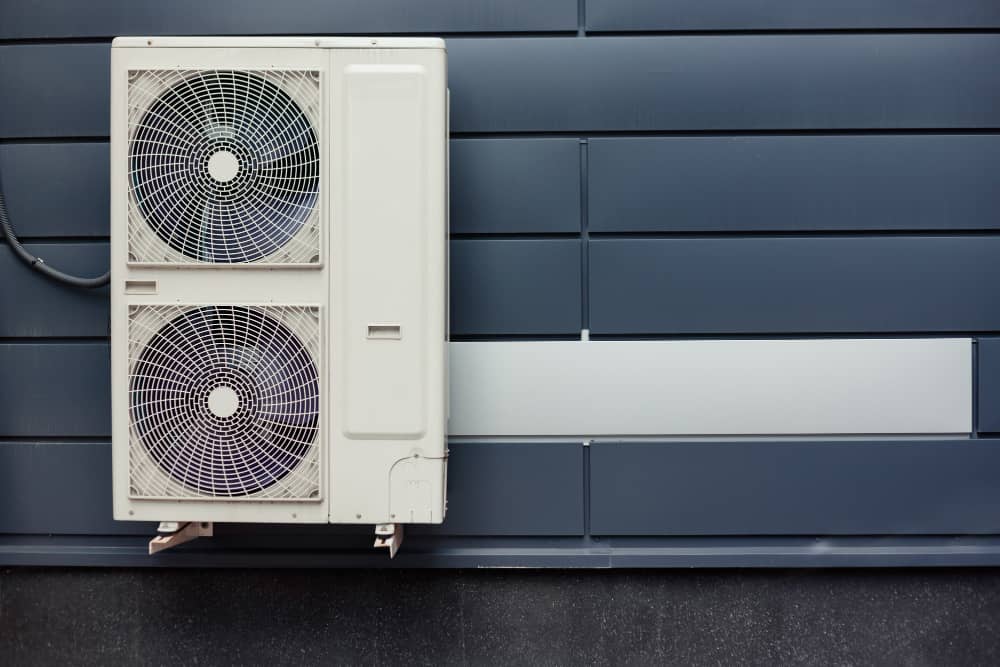
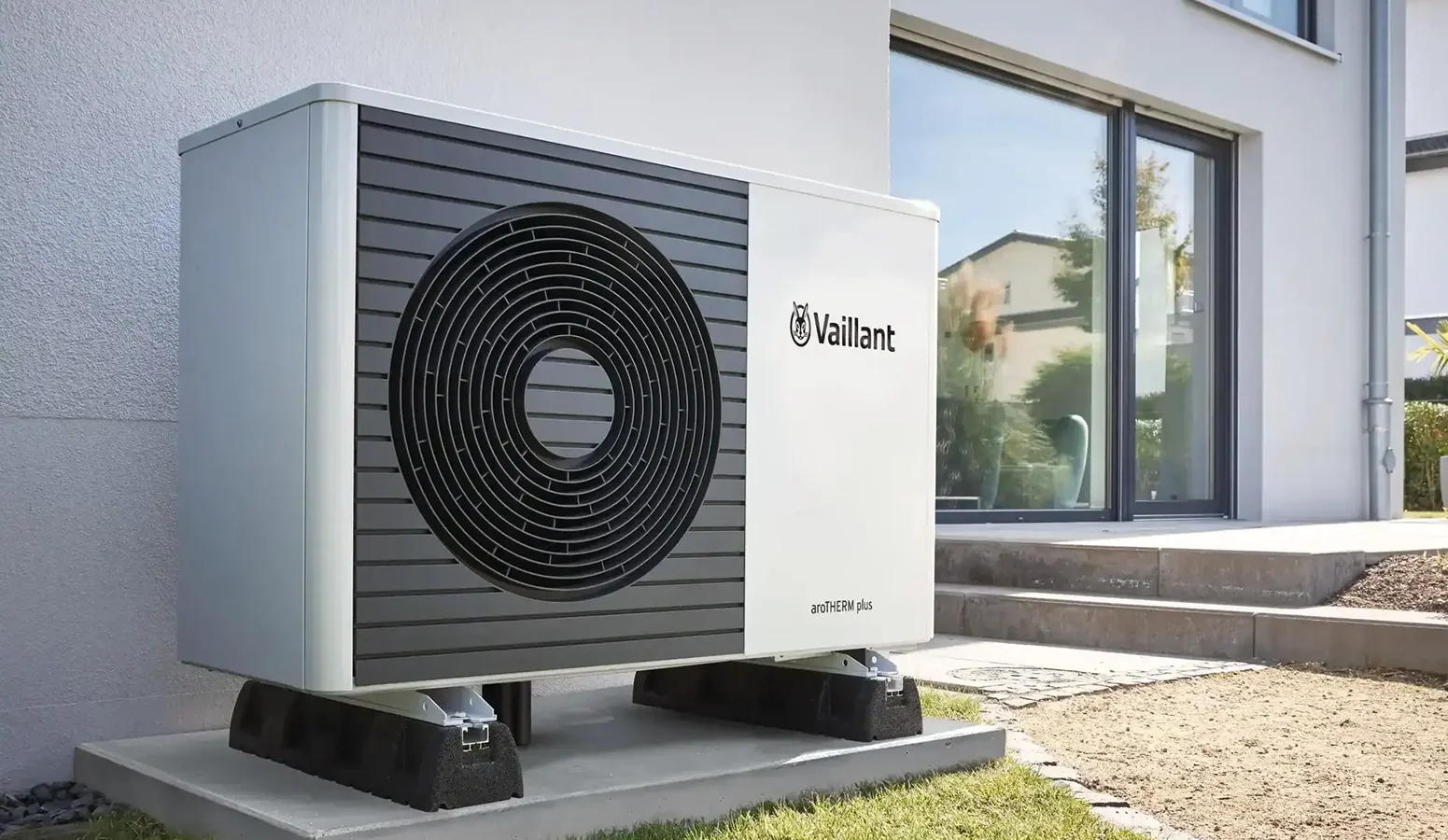
If you’re thinking about installing an air source heat pump (ASHP), understanding the running costs is crucial for making an informed decision. While the upfront investment can be significant, many homeowners find that the long-term savings and environmental benefits make ASHPs a worthwhile choice. Let’s break down what you can expect and how it compares to traditional heating systems.
How ASHP Running Costs Work
Unlike traditional gas or oil boilers that burn fuel to create heat, air source heat pumps use electricity to extract warmth from the outside air and transfer it into your home. This process is remarkably efficient – for every unit of electricity used, a good ASHP can deliver 3 to 4 units of heat.
This efficiency is measured by the Coefficient of Performance (COP) or Seasonal Coefficient of Performance (SCOP). A typical modern ASHP has a SCOP of 3.0 to 4.0, meaning it’s 300-400% efficient. While electricity costs more per unit than gas, this high efficiency helps balance out the running costs.
Understanding Efficiency Ratings
The SCOP rating of your heat pump directly impacts running costs. Modern units with higher SCOP ratings (4.0 or above) will cost less to run than older or less efficient models. A unit with a SCOP of 4.0 delivers the same amount of heat using approximately 15% less electricity compared to one rated at 3.5.
When comparing systems, always check the SCOP rating – it’s the most reliable indicator of long-term running costs. Higher-rated pumps may cost more upfront but deliver better value over their lifespan.
Comparing ASHP to Other Heating Systems
For homeowners currently using oil heating, air source heat pumps typically offer significant savings on running costs. The efficiency advantage becomes even more pronounced when comparing ASHPs to LPG or electric storage heaters, where annual savings can be substantial.
When compared to mains gas boilers, the running cost difference is smaller. Gas remains relatively inexpensive per unit of energy, but ASHPs’ superior efficiency helps close this gap. In well-insulated homes with the right electricity tariff, many homeowners find their ASHP running costs are comparable to, or even lower than, their previous gas heating bills.
Direct electric heating systems are considerably more expensive to run than ASHPs, often costing two to three times as much annually for the same level of warmth.
What Affects Your Running Costs?
Several factors can significantly impact how much you’ll spend on heating with an ASHP.
Property insulation is perhaps the most important factor. Well-insulated homes require much less energy to heat, potentially reducing running costs by 30-50%. Upgrading loft and wall insulation before installing an ASHP can make a substantial difference to your ongoing energy bills.
Your electricity tariff plays a crucial role. Heat pump-specific tariffs from some energy suppliers can offer considerable savings compared to standard domestic rates. Economy 7 or time-of-use tariffs can also help reduce costs if you can shift some heating to off-peak hours.
The type of heating distribution system in your home affects efficiency. Underfloor heating works best with ASHPs, allowing them to operate at lower temperatures and use less electricity. Oversized radiators also work well, while standard radiators may require higher flow temperatures, slightly reducing efficiency.
How you operate the system makes a real difference. ASHPs work most efficiently when run continuously at lower temperatures (18-21°C) rather than being turned on and off like a traditional boiler. Setting the right flow temperature – typically 35-45°C for underfloor heating or 45-55°C for radiators – is essential for keeping costs down.
The age and condition of your property matter too. Modern, well-sealed homes with good insulation achieve the best running costs, while older properties with draughts and poor insulation will naturally cost more to heat, regardless of the heating system used.
Seasonal Variations
ASHP running costs vary throughout the year. Winter months typically see the highest electricity consumption as the system works harder in colder weather. Spring and autumn months show moderate usage, while summer months are most economical, mainly covering hot water heating rather than space heating.
This seasonal variation is more pronounced than with gas boilers, so it’s important to budget accordingly. Your winter bills will be noticeably higher than in the summer months, though annual totals often compare favourably to traditional heating systems.
Real-World Savings Examples
Homeowners switching from oil heating to ASHPs often see the biggest savings. Oil prices have risen significantly in recent years, making the switch to an efficient ASHP an attractive option for many rural properties previously reliant on oil deliveries.
Those moving from LPG or electric storage heaters see even more dramatic reductions in running costs. In some cases, households have reported halving their annual heating expenditure after making the switch.
Even compared to mains gas, ASHP users in well-insulated homes with heat pump tariffs can achieve similar or lower running costs, particularly when factoring in government grants that offset the installation expense.
How to Keep Running Costs Down
There are several practical steps you can take to minimise your ASHP running costs.
Lowering your flow temperature is one of the most effective measures. Reduce it gradually until you find the minimum temperature that keeps your home comfortable. Every degree reduction helps decrease electricity consumption without sacrificing comfort.
Switching to a dedicated heat pump electricity tariff can deliver substantial annual savings compared to standard rates. Several energy suppliers now offer these specialist tariffs, designed specifically for ASHP users.
Maintaining consistent temperatures rather than heating on demand is more efficient with ASHPs. Set your thermostat to 19-20°C and leave it there, rather than turning heating on and off throughout the day. This ‘set and forget’ approach works best with heat pump technology.
Improving your home’s insulation – particularly loft, cavity walls, and draught-proofing – reduces heat loss and the amount of energy needed to maintain comfortable temperatures. This investment pays dividends regardless of your heating system, but is particularly beneficial with ASHPs.
Using weather compensation features, available on most modern ASHPs, allows the system to automatically adjust output based on outdoor temperatures, optimising efficiency without manual intervention.
Regular maintenance keeps your system running at peak efficiency. Annual servicing by a qualified technician ensures optimal performance and can identify small issues before they become costly problems.
Consider installing solar panels to generate your own electricity. This can dramatically reduce the cost of running an ASHP, with some homeowners achieving near-zero heating costs during sunny months.
Is an ASHP Cost-Effective for You?
ASHPs make excellent financial sense if you currently use oil, LPG, or electric heating, as the savings are immediate and substantial. They’re also ideal if you have a well-insulated home, can access the Boiler Upgrade Scheme grant, plan to stay in your home long-term, or can install solar panels to generate your own electricity.
For homes currently heated by mains gas, the decision is more nuanced. While running costs may be similar, the environmental benefits, government grants, and long-term fuel price trends often make ASHPs worthwhile. Properties with poor insulation should consider improving this first to maximise the benefits.
Location matters too. Homes in milder climates generally achieve better efficiency and lower running costs than those in colder regions, though modern ASHPs perform well even in challenging conditions.
The size of your property and heating demand should also factor into your decision. Smaller, well-insulated homes see the best results, while larger properties with high heating demands may find running costs higher than anticipated without proper insulation upgrades.
Looking Ahead
The future looks promising for ASHP running costs. As renewable energy becomes more prevalent, electricity prices are expected to become more competitive relative to fossil fuels. Government policy is moving toward rebalancing energy pricing, potentially reducing electricity costs while increasing levies on gas and oil.
Technology improvements continue to push SCOP ratings higher, with some new models achieving exceptional efficiency levels. Meanwhile, carbon pricing is likely to increase fossil fuel costs over time, making ASHPs increasingly cost-competitive.
The growing adoption of ASHPs is also driving competition in the electricity supply market, with more providers offering attractive tariffs for heat pump users. This trend is expected to continue, further improving the economics of ASHP operation.
Government Support and Incentives
The Boiler Upgrade Scheme provides substantial grants toward ASHP installation costs, making the switch more affordable for many households. This financial support significantly improves the overall value proposition, particularly for those replacing expensive-to-run oil or LPG systems.
Some regions also offer additional local incentives or support schemes. It’s worth researching what’s available in your area, as these can further enhance the financial case for installing an ASHP.
Making the Right Choice
For most UK homeowners, air source heat pumps offer competitive running costs, especially when replacing oil, LPG, or electric heating. While electricity currently costs more per unit than gas, the superior efficiency of ASHPs helps close this gap significantly.
The key to achieving low running costs is ensuring your home is well-insulated, choosing the right electricity tariff, having the system properly installed and sized, and operating it efficiently. With the support of government grants and the long-term trend toward cheaper renewable electricity, ASHPs represent a sound investment for many properties.
Your current heating system plays a major role in determining potential savings. Oil and LPG users typically see the most dramatic cost reductions, while gas users may find running costs similar but with significant environmental benefits and future-proofing advantages.
Whether an air source heat pump is right for your home depends on your current heating system, property characteristics, budget, and environmental priorities. Speaking with a qualified heating specialist can help you understand the specific costs and savings for your situation, ensuring you make the best choice for your home and family.
Professional installers can conduct heat loss calculations, assess your property’s insulation, and provide accurate projections of running costs based on your specific circumstances. This personalised approach ensures you have realistic expectations and can make an informed decision.
Final Thoughts
Air source heat pumps offer an efficient, environmentally friendly heating solution with competitive running costs for many homes. Understanding the factors that influence these costs – from insulation and tariffs to system operation and efficiency ratings – helps you maximise savings and comfort.
While the initial investment may seem substantial, the combination of government grants, lower running costs compared to many traditional systems, and the long-term benefits of sustainable heating makes ASHPs an increasingly attractive option for UK homeowners.
Take time to assess your property, research available tariffs and grants, and consult with experienced professionals to determine whether an ASHP is the right choice for you. With proper planning and installation, many homeowners enjoy reduced heating costs, improved comfort, and the satisfaction of significantly reducing their carbon footprint.
Related articles
Which option best describes your home?
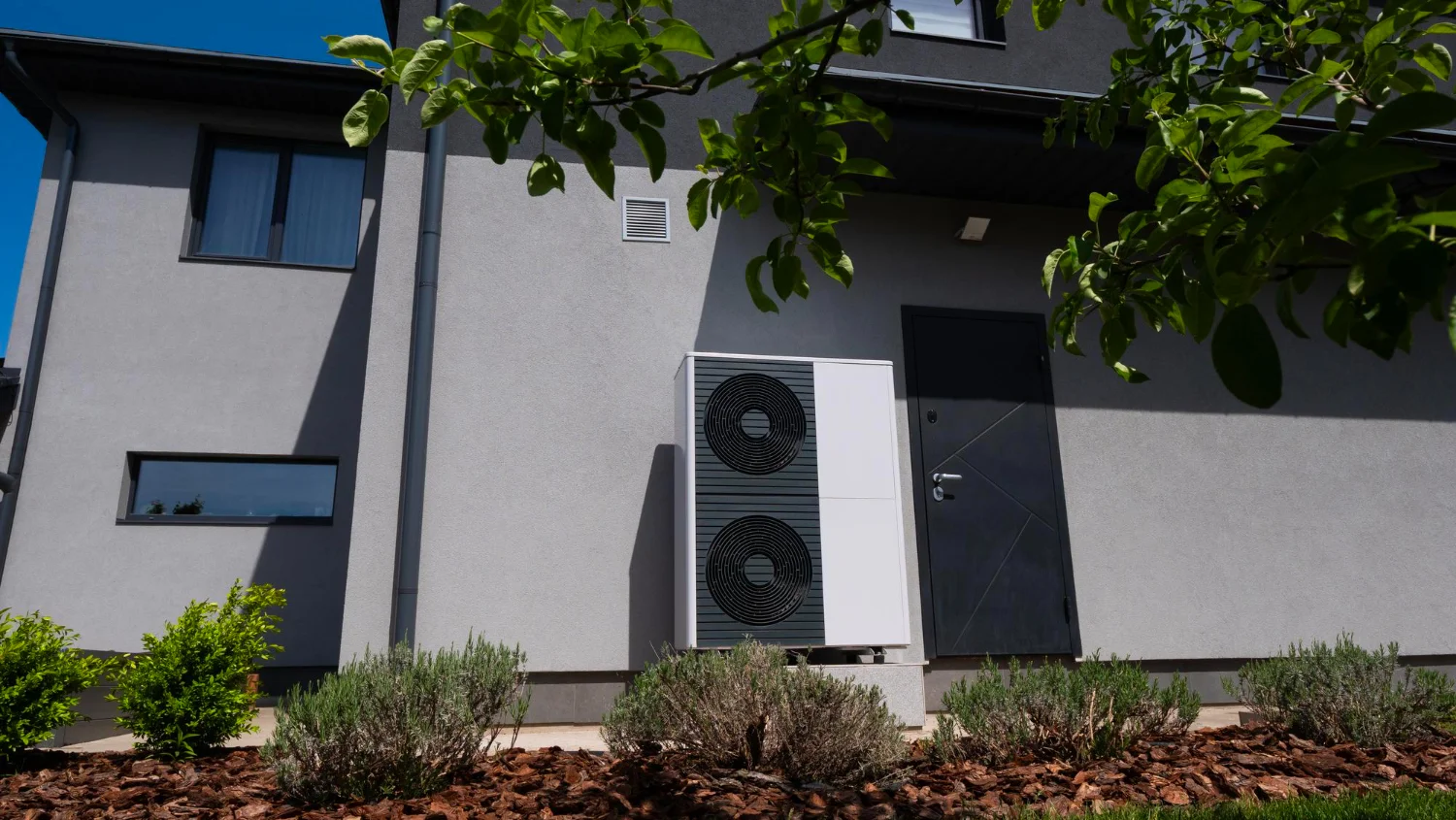
If you’re thinking about installing an air source heat pump (ASHP), understanding the running costs is crucial for making an informed decision. While the upfront investment can be significant, many homeowners find that the long-term savings and environmental benefits make ASHPs a worthwhile choice. Let’s break down what you can expect and how it compares to traditional heating systems.
How ASHP Running Costs Work
Unlike traditional gas or oil boilers that burn fuel to create heat, air source heat pumps use electricity to extract warmth from the outside air and transfer it into your home. This process is remarkably efficient – for every unit of electricity used, a good ASHP can deliver 3 to 4 units of heat.
This efficiency is measured by the Coefficient of Performance (COP) or Seasonal Coefficient of Performance (SCOP). A typical modern ASHP has a SCOP of 3.0 to 4.0, meaning it’s 300-400% efficient. While electricity costs more per unit than gas, this high efficiency helps balance out the running costs.
Understanding Efficiency Ratings
The SCOP rating of your heat pump directly impacts running costs. Modern units with higher SCOP ratings (4.0 or above) will cost less to run than older or less efficient models. A unit with a SCOP of 4.0 delivers the same amount of heat using approximately 15% less electricity compared to one rated at 3.5.
When comparing systems, always check the SCOP rating – it’s the most reliable indicator of long-term running costs. Higher-rated pumps may cost more upfront but deliver better value over their lifespan.
Comparing ASHP to Other Heating Systems
For homeowners currently using oil heating, air source heat pumps typically offer significant savings on running costs. The efficiency advantage becomes even more pronounced when comparing ASHPs to LPG or electric storage heaters, where annual savings can be substantial.
When compared to mains gas boilers, the running cost difference is smaller. Gas remains relatively inexpensive per unit of energy, but ASHPs’ superior efficiency helps close this gap. In well-insulated homes with the right electricity tariff, many homeowners find their ASHP running costs are comparable to, or even lower than, their previous gas heating bills.
Direct electric heating systems are considerably more expensive to run than ASHPs, often costing two to three times as much annually for the same level of warmth.
What Affects Your Running Costs?
Several factors can significantly impact how much you’ll spend on heating with an ASHP.
Property insulation is perhaps the most important factor. Well-insulated homes require much less energy to heat, potentially reducing running costs by 30-50%. Upgrading loft and wall insulation before installing an ASHP can make a substantial difference to your ongoing energy bills.
Your electricity tariff plays a crucial role. Heat pump-specific tariffs from some energy suppliers can offer considerable savings compared to standard domestic rates. Economy 7 or time-of-use tariffs can also help reduce costs if you can shift some heating to off-peak hours.
The type of heating distribution system in your home affects efficiency. Underfloor heating works best with ASHPs, allowing them to operate at lower temperatures and use less electricity. Oversized radiators also work well, while standard radiators may require higher flow temperatures, slightly reducing efficiency.
How you operate the system makes a real difference. ASHPs work most efficiently when run continuously at lower temperatures (18-21°C) rather than being turned on and off like a traditional boiler. Setting the right flow temperature – typically 35-45°C for underfloor heating or 45-55°C for radiators – is essential for keeping costs down.
The age and condition of your property matter too. Modern, well-sealed homes with good insulation achieve the best running costs, while older properties with draughts and poor insulation will naturally cost more to heat, regardless of the heating system used.
Seasonal Variations
ASHP running costs vary throughout the year. Winter months typically see the highest electricity consumption as the system works harder in colder weather. Spring and autumn months show moderate usage, while summer months are most economical, mainly covering hot water heating rather than space heating.
This seasonal variation is more pronounced than with gas boilers, so it’s important to budget accordingly. Your winter bills will be noticeably higher than in the summer months, though annual totals often compare favourably to traditional heating systems.
Real-World Savings Examples
Homeowners switching from oil heating to ASHPs often see the biggest savings. Oil prices have risen significantly in recent years, making the switch to an efficient ASHP an attractive option for many rural properties previously reliant on oil deliveries.
Those moving from LPG or electric storage heaters see even more dramatic reductions in running costs. In some cases, households have reported halving their annual heating expenditure after making the switch.
Even compared to mains gas, ASHP users in well-insulated homes with heat pump tariffs can achieve similar or lower running costs, particularly when factoring in government grants that offset the installation expense.
How to Keep Running Costs Down
There are several practical steps you can take to minimise your ASHP running costs.
Lowering your flow temperature is one of the most effective measures. Reduce it gradually until you find the minimum temperature that keeps your home comfortable. Every degree reduction helps decrease electricity consumption without sacrificing comfort.
Switching to a dedicated heat pump electricity tariff can deliver substantial annual savings compared to standard rates. Several energy suppliers now offer these specialist tariffs, designed specifically for ASHP users.
Maintaining consistent temperatures rather than heating on demand is more efficient with ASHPs. Set your thermostat to 19-20°C and leave it there, rather than turning heating on and off throughout the day. This ‘set and forget’ approach works best with heat pump technology.
Improving your home’s insulation – particularly loft, cavity walls, and draught-proofing – reduces heat loss and the amount of energy needed to maintain comfortable temperatures. This investment pays dividends regardless of your heating system, but is particularly beneficial with ASHPs.
Using weather compensation features, available on most modern ASHPs, allows the system to automatically adjust output based on outdoor temperatures, optimising efficiency without manual intervention.
Regular maintenance keeps your system running at peak efficiency. Annual servicing by a qualified technician ensures optimal performance and can identify small issues before they become costly problems.
Consider installing solar panels to generate your own electricity. This can dramatically reduce the cost of running an ASHP, with some homeowners achieving near-zero heating costs during sunny months.
Is an ASHP Cost-Effective for You?
ASHPs make excellent financial sense if you currently use oil, LPG, or electric heating, as the savings are immediate and substantial. They’re also ideal if you have a well-insulated home, can access the Boiler Upgrade Scheme grant, plan to stay in your home long-term, or can install solar panels to generate your own electricity.
For homes currently heated by mains gas, the decision is more nuanced. While running costs may be similar, the environmental benefits, government grants, and long-term fuel price trends often make ASHPs worthwhile. Properties with poor insulation should consider improving this first to maximise the benefits.
Location matters too. Homes in milder climates generally achieve better efficiency and lower running costs than those in colder regions, though modern ASHPs perform well even in challenging conditions.
The size of your property and heating demand should also factor into your decision. Smaller, well-insulated homes see the best results, while larger properties with high heating demands may find running costs higher than anticipated without proper insulation upgrades.
Looking Ahead
The future looks promising for ASHP running costs. As renewable energy becomes more prevalent, electricity prices are expected to become more competitive relative to fossil fuels. Government policy is moving toward rebalancing energy pricing, potentially reducing electricity costs while increasing levies on gas and oil.
Technology improvements continue to push SCOP ratings higher, with some new models achieving exceptional efficiency levels. Meanwhile, carbon pricing is likely to increase fossil fuel costs over time, making ASHPs increasingly cost-competitive.
The growing adoption of ASHPs is also driving competition in the electricity supply market, with more providers offering attractive tariffs for heat pump users. This trend is expected to continue, further improving the economics of ASHP operation.
Government Support and Incentives
The Boiler Upgrade Scheme provides substantial grants toward ASHP installation costs, making the switch more affordable for many households. This financial support significantly improves the overall value proposition, particularly for those replacing expensive-to-run oil or LPG systems.
Some regions also offer additional local incentives or support schemes. It’s worth researching what’s available in your area, as these can further enhance the financial case for installing an ASHP.
Making the Right Choice
For most UK homeowners, air source heat pumps offer competitive running costs, especially when replacing oil, LPG, or electric heating. While electricity currently costs more per unit than gas, the superior efficiency of ASHPs helps close this gap significantly.
The key to achieving low running costs is ensuring your home is well-insulated, choosing the right electricity tariff, having the system properly installed and sized, and operating it efficiently. With the support of government grants and the long-term trend toward cheaper renewable electricity, ASHPs represent a sound investment for many properties.
Your current heating system plays a major role in determining potential savings. Oil and LPG users typically see the most dramatic cost reductions, while gas users may find running costs similar but with significant environmental benefits and future-proofing advantages.
Whether an air source heat pump is right for your home depends on your current heating system, property characteristics, budget, and environmental priorities. Speaking with a qualified heating specialist can help you understand the specific costs and savings for your situation, ensuring you make the best choice for your home and family.
Professional installers can conduct heat loss calculations, assess your property’s insulation, and provide accurate projections of running costs based on your specific circumstances. This personalised approach ensures you have realistic expectations and can make an informed decision.
Final Thoughts
Air source heat pumps offer an efficient, environmentally friendly heating solution with competitive running costs for many homes. Understanding the factors that influence these costs – from insulation and tariffs to system operation and efficiency ratings – helps you maximise savings and comfort.
While the initial investment may seem substantial, the combination of government grants, lower running costs compared to many traditional systems, and the long-term benefits of sustainable heating makes ASHPs an increasingly attractive option for UK homeowners.
Take time to assess your property, research available tariffs and grants, and consult with experienced professionals to determine whether an ASHP is the right choice for you. With proper planning and installation, many homeowners enjoy reduced heating costs, improved comfort, and the satisfaction of significantly reducing their carbon footprint.